
Do you like being stuck with needles over and over again? Are needles and shots not a thing for you? Even if you like acupuncture or need a few minutes in privacy before going for an MRI because of your piercings, you probably don’t want your kid getting multiple shots over several months when fewer doses can protect them against potentially deadly infectious diseases.
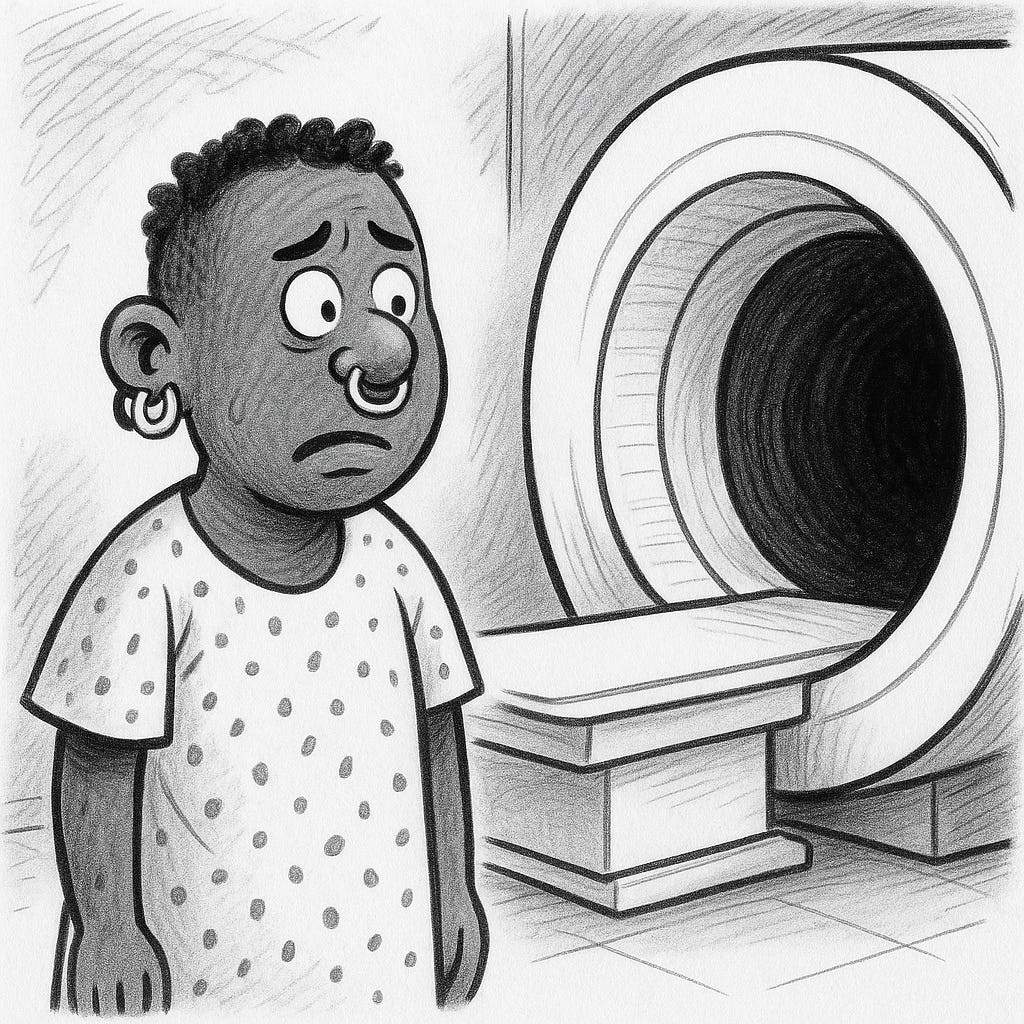
If you find yourself in the unenviable position of having to pay for each visit to the pediatrician for those shots, then you probably really don’t like multiple vaccine doses.
Back in 1916, the British developed a “triple typhoid” vaccine (which the US Army adopted the following year) for their troops. However, it wasn’t a true “combined” vaccine, as it addressed only one pathogen. It wouldn’t be until 1949 that the diphtheria and tetanus vaccines were combined into the DT vaccine.
The goal was to target two pathogens that cause problems not because of their infection, but because of the toxins they produce during infection. As such, these vaccines were against the toxin, not necessarily the pathogen.
Before this could happen, extensive research was conducted to determine how the immune system would react to a combination vaccine. There were experiments conducted in the lab, both with animals and with people. Everything had to point to an equal or better response with DT than with the individual vaccines, and it did.
Based on that knowledge, scientists moved on to viral vaccines. They set their eyes on the measles, mumps, and rubella viruses.
By 1969, the MMR vaccine had been developed and tested, earning approval in 1971. This combination vaccine targeted three viruses, all of which were attenuated. They were not dead (though viruses aren’t exactly “alive”), but they were passed through many generations of human cells to make them as harmless as possible. Again, as with the DT vaccine, trials compared the individual vaccines for each pathogen with the combined vaccine, and the combined vaccine won.
Since then, there have been slight changes to the strains used within the MMR vaccine. For example, the Urabe strain of mumps virus was replaced with the Jeryl Lynn strain in vaccines outside of the United States when it was shown that the Urabe strain was associated with a higher risk of asceptic (non-bacterial) meningitis. The same is true for other vaccines: when a safer profile is found in a different strain, the formula changes.
By the way, if you haven’t read about Jeryl Lynn Hilleman and her father Maurice, go do so. It’s a good story to read and maybe share with your kids.
Anyway, when the anti-vaccine crew tells you that a child is getting a massive number of vaccines, please note that they’re breaking up the MMR into three (then multiplying it by two, since you get two MMR doses in your life). It’s a clever little gambit to scare parents away from vaccination. But now that you know about combination vaccines and why we use them, you’re less likely to fall for it.
Right?
And no, combining the vaccines does not “confuse” the immune system into responding better to one component than the others. Again, that is why these combination vaccines underwent testing, and they were found to be just as good or even better than the individual vaccines. That is another one of those talking points that seem reasonable on paper (or on your device’s screen), but it’s not based in fact.
And I know you love your facts.
So go ahead and follow the recommended schedule with the recommended vaccines. Chances are very good that you’ll be okay. There’s a reason vaccines are recommended the way they are, and why some are combined while others are still given individually.